



House approves procedural changes for disclosure of personal information, reprinting of ballots
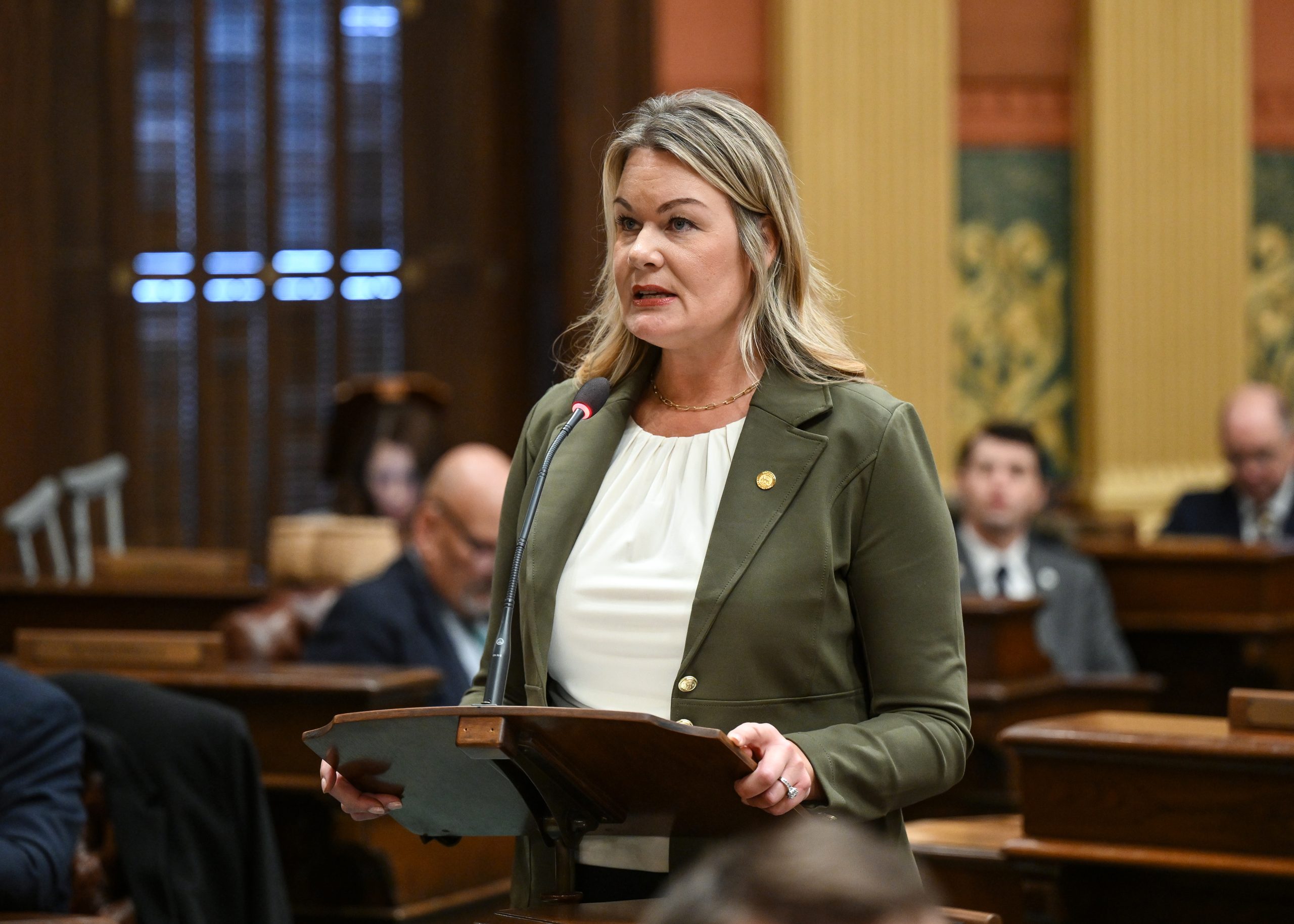
State Rep. Rachelle Smit today led the House passage of her election law reforms designed to protect candidates’ personal information and provide clear rules for clerks when a candidate dies or is disqualified before an election.
“The unique nature of elections in Michigan means inconsistencies in state law are often exposed in real time,” said Smit, R-Martin. “Our action today gives clerks clear guidance when candidates die or are disqualified, adds an extra layer of personal protection for those seeking office, and ensures voters know whether congressional candidates actually live in the communities they want to represent.”
House Bills 5467 and 5468 each passed the House with bipartisan support.
HB 5468 would require congressional candidates to disclose whether they reside within the district they seek to represent.
“The only people who oppose requiring congressional candidates to disclose where they live are the carpetbaggers who trick voters while living it up at a luxury beach house or swanky downtown apartment outside the community they’re trying to represent,” Smit said. “Voters deserve to know whether someone is truly their neighbor or just claiming to be.”
The plan also removes the requirement for candidates to include street addresses on nominating petitions. Candidates would still be required to disclose their street addresses on their affidavit of identity.
“In an era of online harassment and political doxxing, my plan adds an extra layer of protection for candidates’ personal information,” Smit said. “Addresses would still be accessible through FOIA – but anyone seeking that information should have to do more than a quick Google search.”
HB 5467 establishes clear timelines in state law for when ballots may be reprinted if a candidate dies or is disqualified after securing a party nomination. Currently, no consistent standards exist for clerks navigating these situations.
Under the plan, clerks could not reprint ballots if a candidate dies or is disqualified within 55 days of an election. The window ensures that multiple ballots are not in circulation when early or absentee voting has begun. Smit said she has heard from clerks who faced legal threats over how they handled these unexpected situations.
“Putting these timelines into law gives local election officials certainty in difficult situations,” Smit said. “Clerks shouldn’t face legal threats simply for doing their jobs during unexpected circumstances.”
Both bills now move to the state Senate for further consideration.
###




© 2009 - 2026 Michigan House Republicans. All Rights Reserved.
This site is protected by reCAPTCHA and the Google Privacy Policy and Terms of Service apply.