



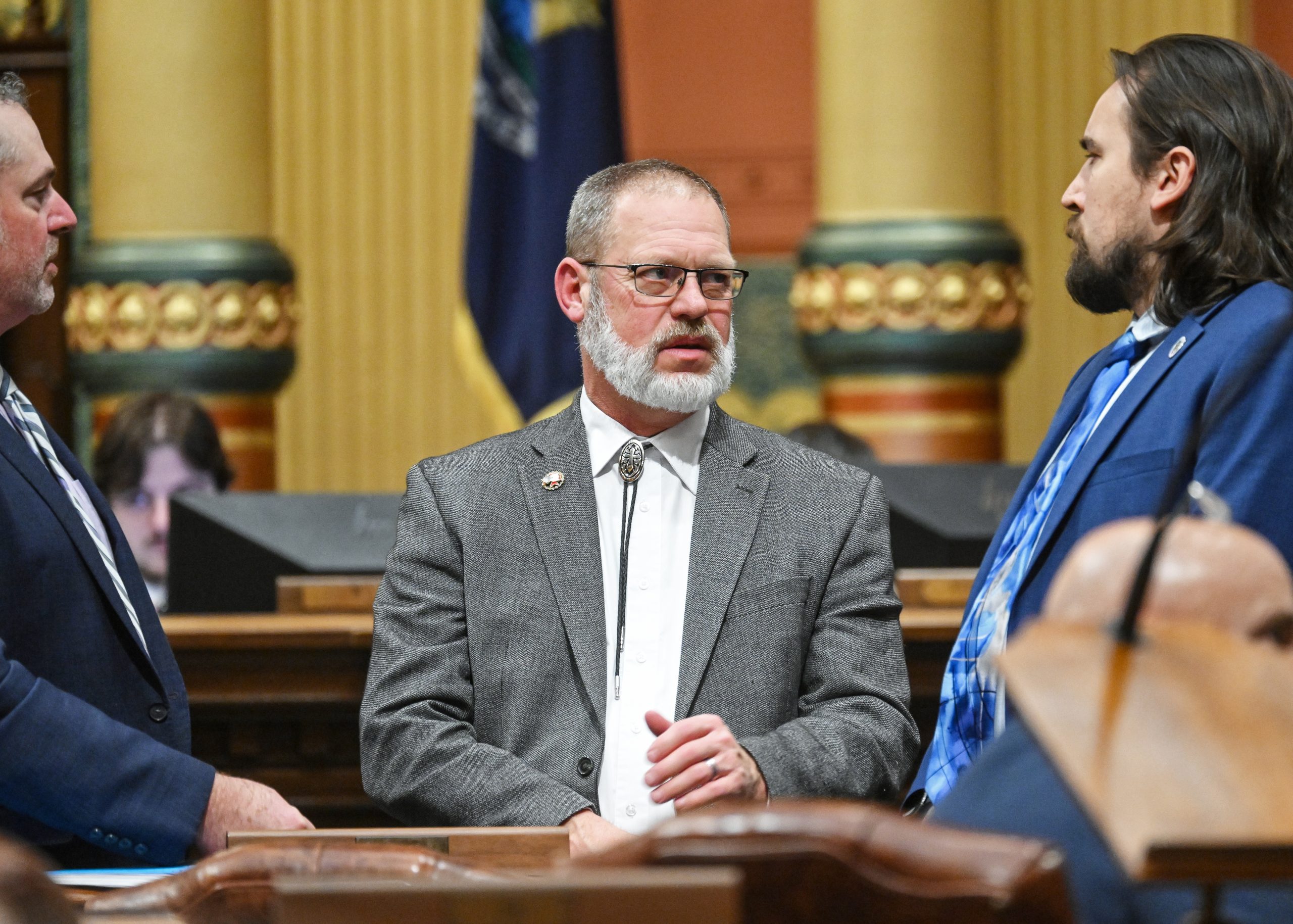
State Rep. Greg Alexander is fighting for people across the Thumb to receive care and have access to resources they need.
Alexander today pushed back on a plan from the Michigan Department of Health and Human Services that would allow the state’s largest counties to qualify for federal rural healthcare grants intended to support rural hospitals. Under MDHHS’s eligibility criteria, some of Michigan’s most populous counties – even Oakland and Wayne – are labeled as ‘partially rural,’ making them eligible to receive the grants that are to be awarded and distributed by December.
“I think everyone can agree that a heavily populated area like Wayne County is not a rural county and not what these grants were intended for,” Alexander said. “I represent an area that is very rural and is becoming a healthcare desert. That means longer wait times, less available appointments and more travel for some of our most vulnerable. These funds would go a long way for the health of our communities by ensuring people are getting needed care. It’s unacceptable that the governor’s administration is playing politics with federal measures and trying to use these dollars to cater to areas that support her instead of sending them where to where they should be going.”
The signing of the One Big Beautiful Bill at the federal level created The Rural Health Transformation (RHT) program, which spurs improved healthcare access and outcomes in rural communities. States were authorized to apply for a share of $10 billion in federal funding that is distributed annually.
Despite ranking among the top ten states for rural population, Michigan received just $173.1 million – placing it in the bottom ten states nationwide. Neighboring states such as Iowa ($209 million) and Ohio ($202 million) secured significantly more funding.
Alexander also criticized the Department for withholding nearly $19 million from Michigan’s RHT allocation for administrative costs, including $2 million for salaries, benefits, and travel for 12 new positions – averaging nearly $170,000 per employee.
“MDHHS did not put rural workers and families first when applying to receive these dollars, and they are not putting them first when it comes to how these dollars are distributed,” Alexander said. “I will continue to stand up for our residents and communities in the Legislature and fight against this reckless proposal.”



© 2009 - 2026 Michigan House Republicans. All Rights Reserved.
This site is protected by reCAPTCHA and the Google Privacy Policy and Terms of Service apply.